| Learn Physically-Based Rendering (Hands-On) |  |

Rendering is the process of creating an image from a description of a 3D scene. It's a broad task with many different methods to tackle it. Physically based techniques aim to mimic how light interacts with objects in the real world using physics principles.
It's graphics, but not as we know it!
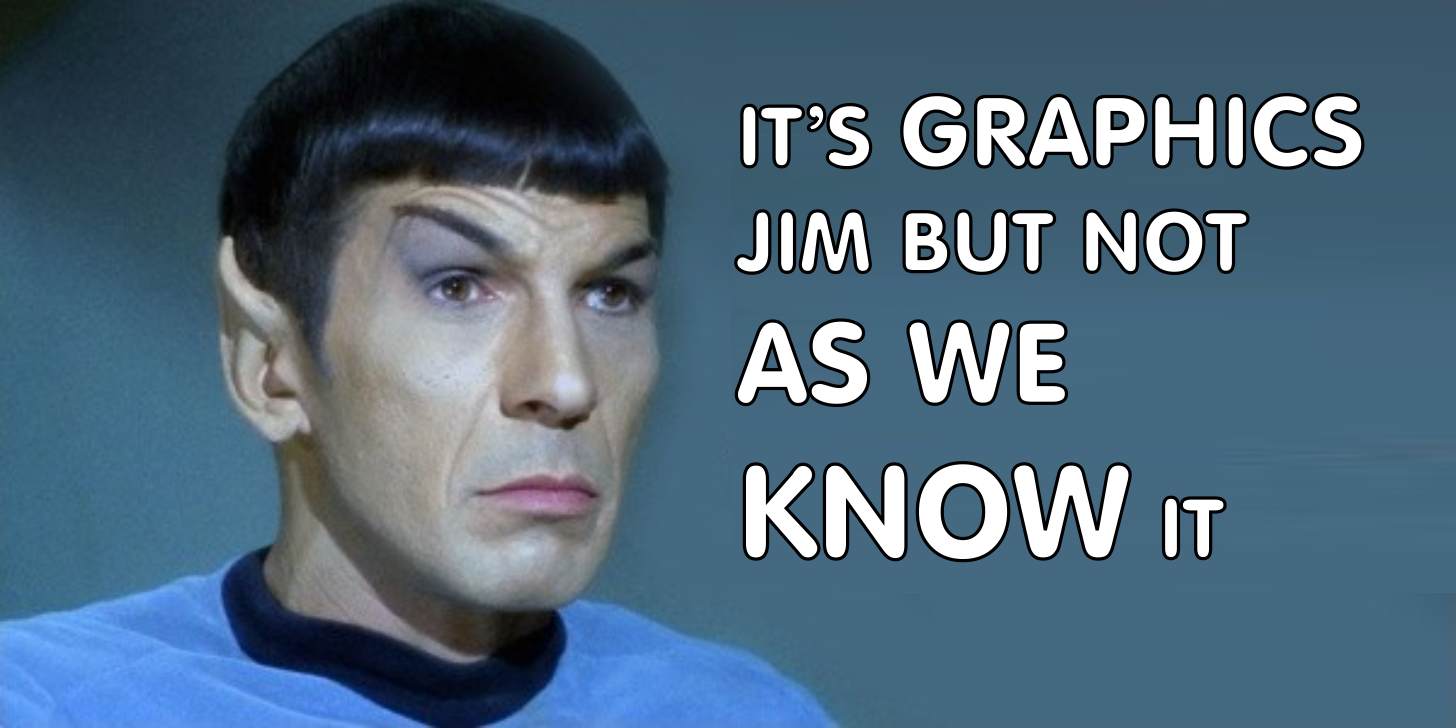
Even though this approach seems like an obvious choice, it's only become widely popular in recent times as computational resources have boomed (both memory, storage and computation).
The explanations, examples and discussions on physically based rendering concepts will be based on the ray-tracing algorithms.
To help make the concepts and mathematics a bit more digestible - we've included simplified JavaScript examples when possible. While JavaScript might not be the final choice for the end implementation; it provides a very readable pseudo-code that is easy to follow and test. Try them out for simple test cases to verify they work before implementing them on the GPU (e.g., like WebGL or WebGPU).
Learning physically based rendering (PBR) opens your eyes to the intricate relationship between light and materials, revealing how subtle nuances in surface properties create realism. It bridges the gap between artistry and physics, helping you see and recreate the world with newfound clarity and authenticity.
| Table of Contents | |




|