www.xbdev.net
xbdev - software development
Friday May 22, 2026
Home | Contact | Support | WebGPU Graphics and Compute ...


WebGPU/WGSL Tutorials and Articles

Graphics and Compute ...


Noise Categories - Managing the Madness!


Their seems to be so many noise functions - their are hundreds if not thousands of noise algorithms - each with their own name and characteristics.

However, we try and categories the noise functions - group them together - so that we have a handful of types of noises.

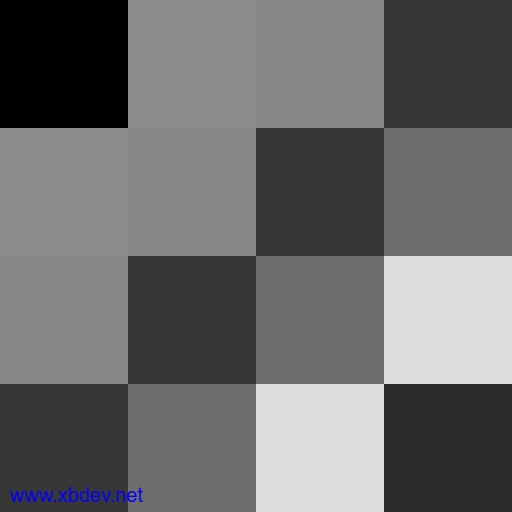
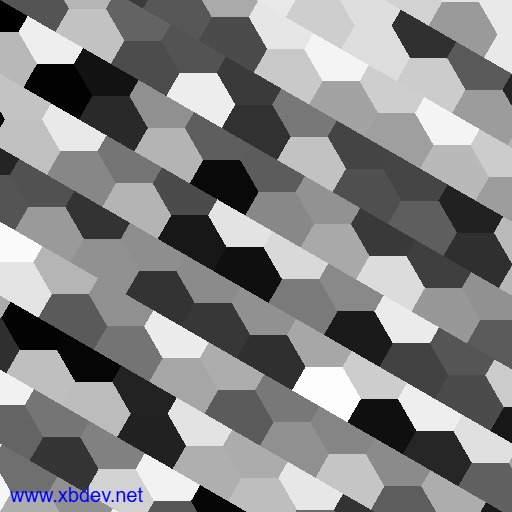
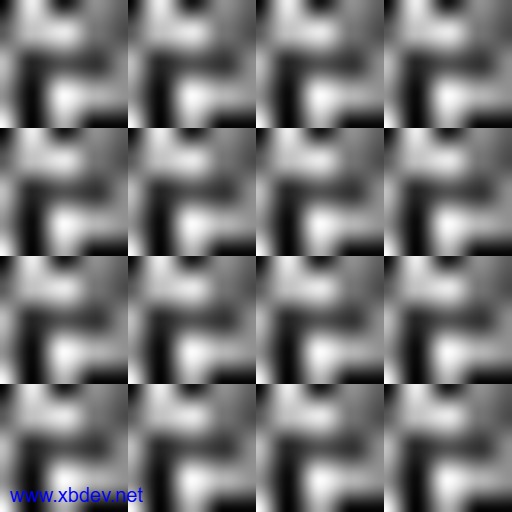
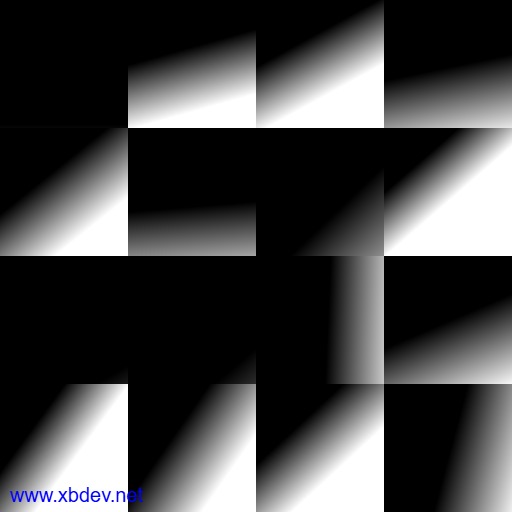
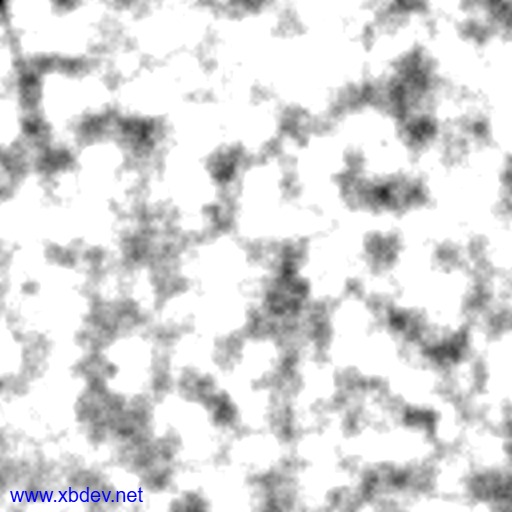
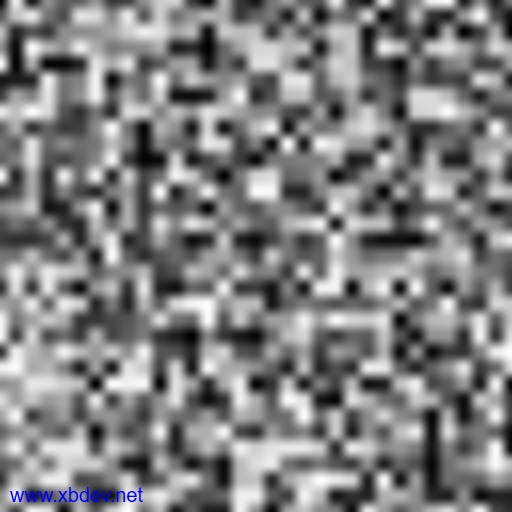
Elaboration on an earlier article which was collecting noise functions (LINK). In this article, we sort of try and organise things - and take things further. Each noise function is linked to an interactive example - so you can click on it and see a hacky version of the noise. Send me a quick email if you find a bug or think of a tidier version/better version :)

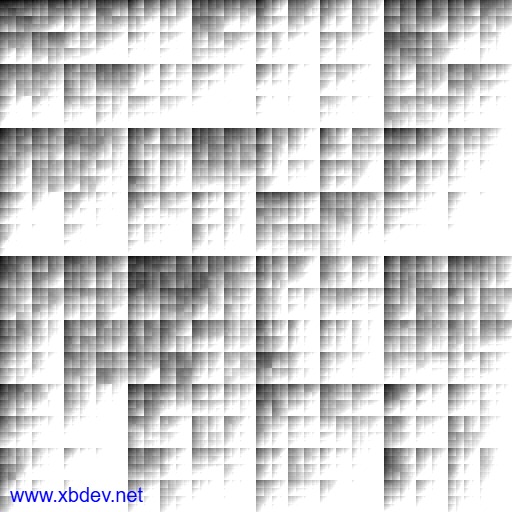
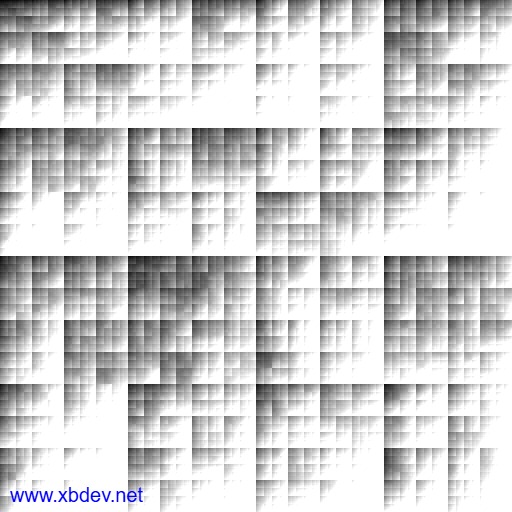
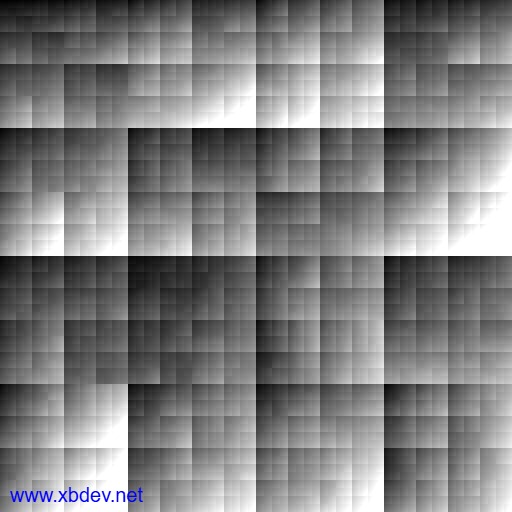
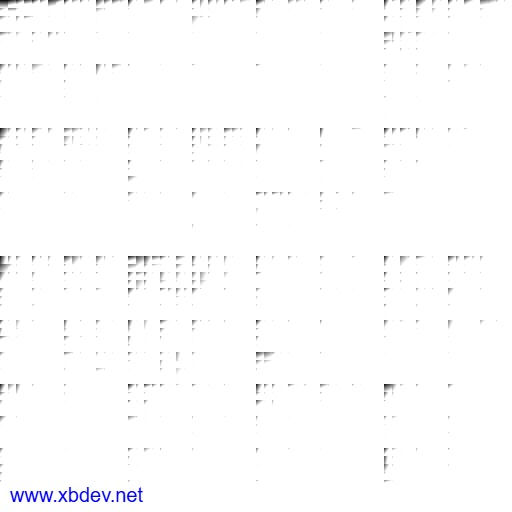
Out of the 60 example noise functions - we'll group them into 7 main categories (given below).

Noise Function Categories


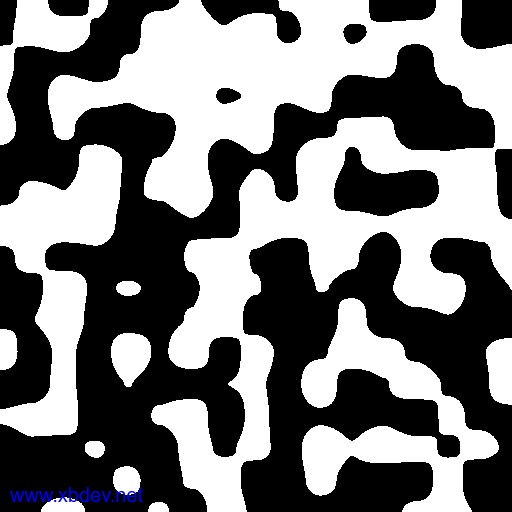
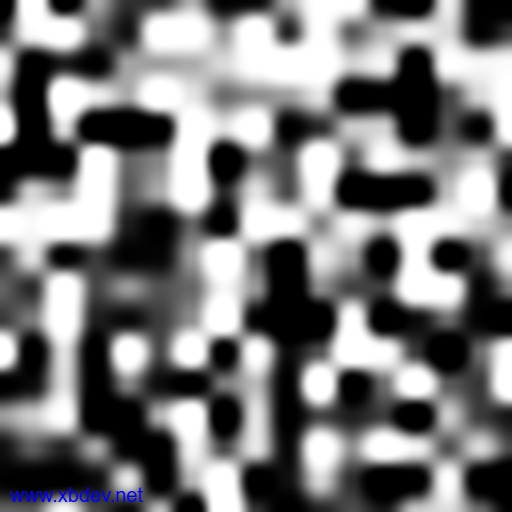
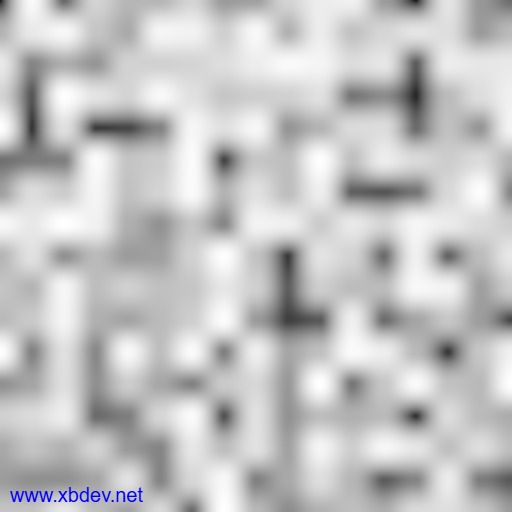
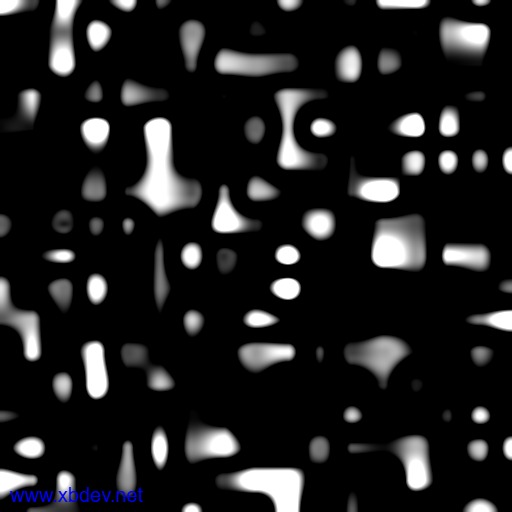
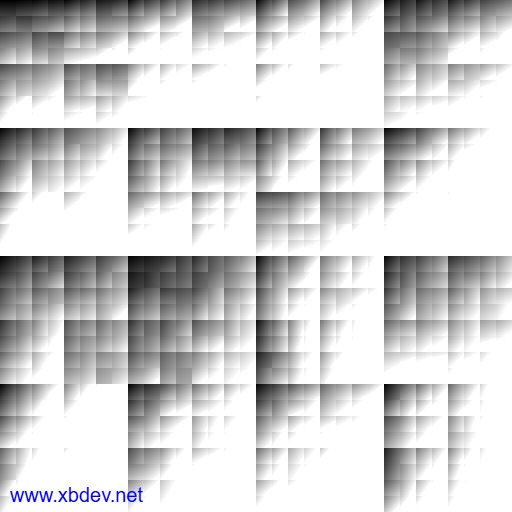
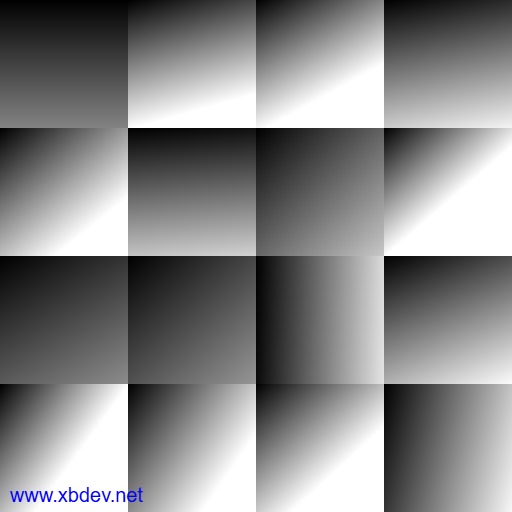
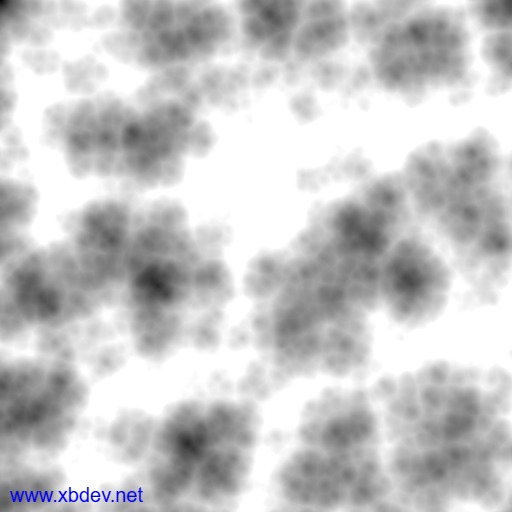
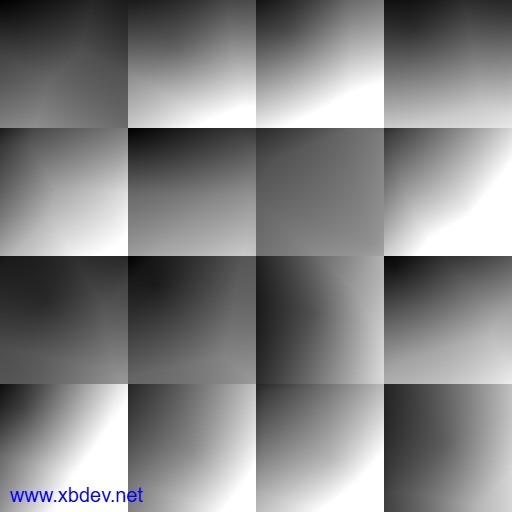
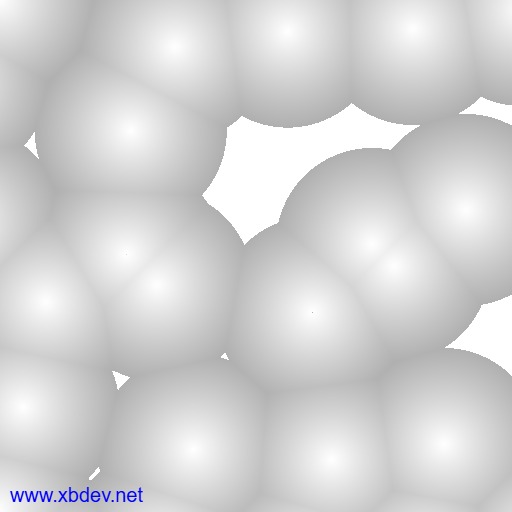
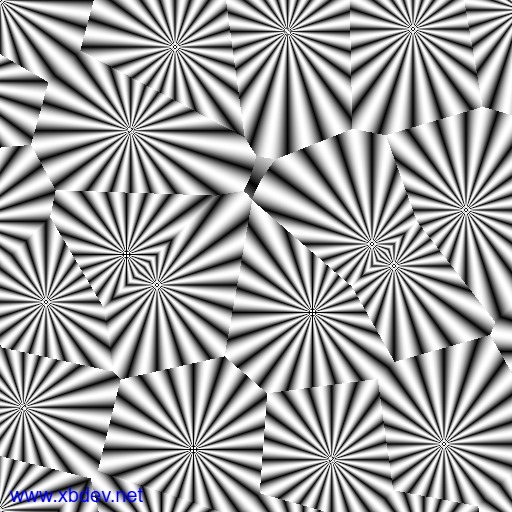
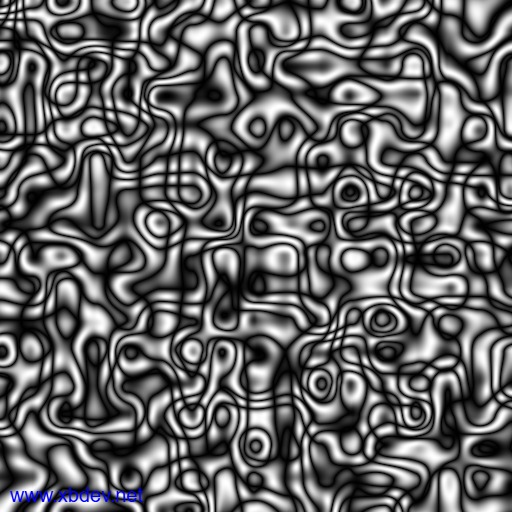
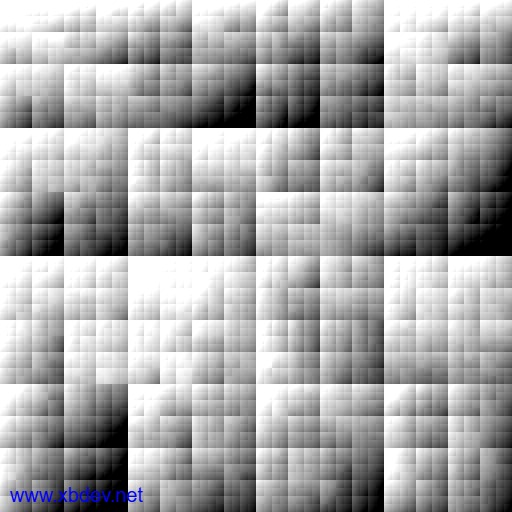
Base Noise 1. Random Noise 2. Value Noise 3. Gradient Noise 4. White Noise 5. Uniform Noise 6. Blue Noise 7. Pink Noise 8. Gaussian Noise Complex & Layered Noise 9. Fractal Noise 10. Octave Noise 11. Fractional Brownian Motion (FBM) 12. Turbulence Noise 13. Layered Noise 14. Perlin Noise 15. Fractal Cellular Noise 16. Noise Blending 17. Domain Warping Directional Noise 18. Flow Noise 19. Anisotropic Noise 20. Gradient Squared Noise 21. Angular Gradient Noise 22. Spiral Noise 23. Stripe Noise 24. Stripe Gradient Noise 25. Directional Voronoi Cellular Noise 26. Voronoi Noise 27. Worley Noise 28. Cellular Noise 29. Fractal Voronoi 30. Spiral Voronoi 31. Noisy Voronoi Patterned Noise 32. Ring Noise 33. Radial Noise 34. Ripple Noise 35. Polygonal Grid Noise 36. Crosshatch Noise 37. Starburst Noise 38. Circular Wave Noise 39. Spiral Gradient Noise 40. Plasma Noise 41. Interference Noise 42. Checkerboard Noise 43. Hexagonal Noise Animated/Temporal Noise 44. Offset Noise 45. Warped Noise 46. Seamless Noise 47. Texture Distortion Noise 48. Dynamic Noise 49. Time-Varying Voronoi 50. Animated Gradient Noise Specialized Noise 51. Tileable Noise 52. Gradient Ridge Noise 53. Multiscale Noise 54. Spectral Noise 55. Blob Noise 56. Point Cluster Noise 57. Crystal Noise 58. Wavelet Noise 59. Ridged FBM Noise 60. Sparse Convolution Noise


The following give a small description of each example noise function from above - in addition to a mockup code implementation in WGSL (WebGPU Shader Language).


Base Noise


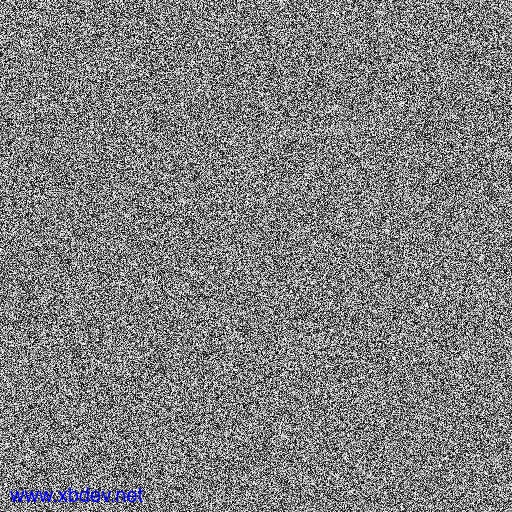
1. Random Noise

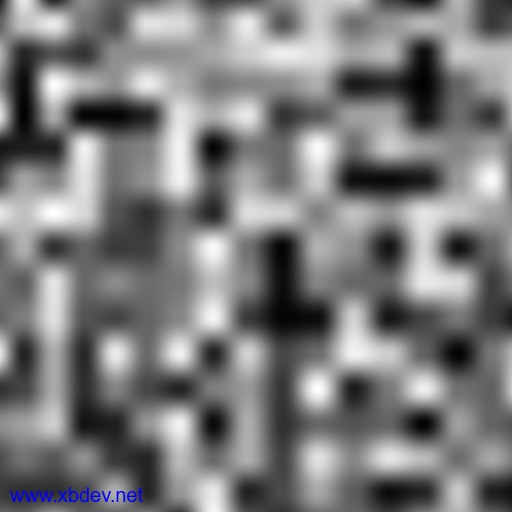
Generates uncorrelated random values across the domain.

<?php
   fn random(uv: vec2<f32>) -> f32 {
       return fract(sin(dot(uv, vec2<f32>(12.9898, 78.233))) * 43758.5453);
   }


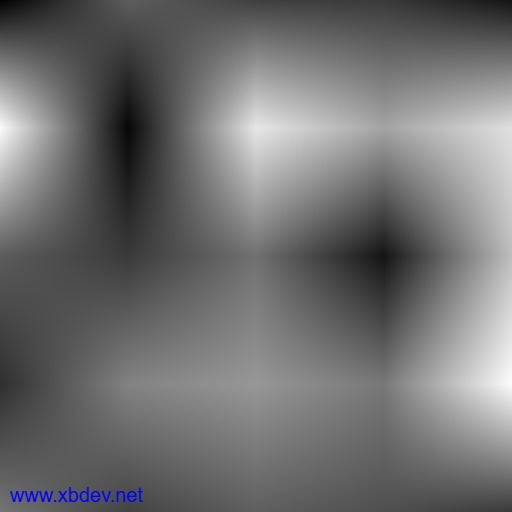
2. Value Noise

Interpolates random values to create smooth transitions.

<?php
   fn valueNoise(uv: vec2<f32>) -> f32 {
       let cell = floor(uv);
       let frac = fract(uv);
       let randomValues = vec2<f32>(random(cell), random(cell + vec2<f32>(1.0, 0.0)));
       return mix(randomValues.x, randomValues.y, frac.x);
   }


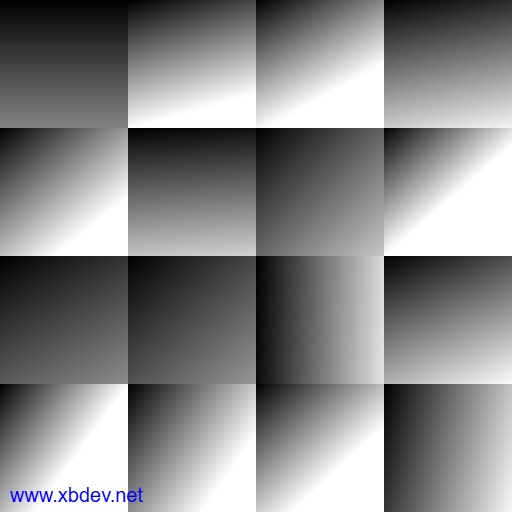
3. Gradient Noise

Utilizes gradient vectors to interpolate smooth noise.

<?php
   fn gradientNoise(uv: vec2<f32>) -> f32 {
       let cell = floor(uv);
       let grad = fract(sin(vec2<f32>(dot(cell, vec2<f32>(127.1, 311.7)), dot(cell + vec2<f32>(1.0, 0.0), vec2<f32>(269.5, 183.3)))) * 43758.5453);
       return dot(grad, fract(uv));
   }


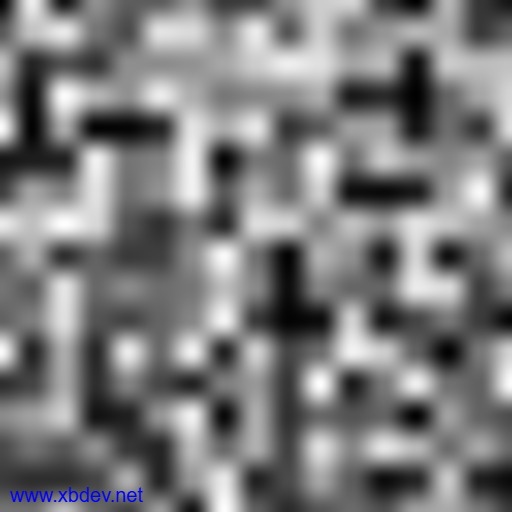
4. White Noise

Produces uncorrelated, high-frequency noise.

<?php
   fn whiteNoise(uv: vec2<f32>) -> f32 {
       return random(uv);
   }


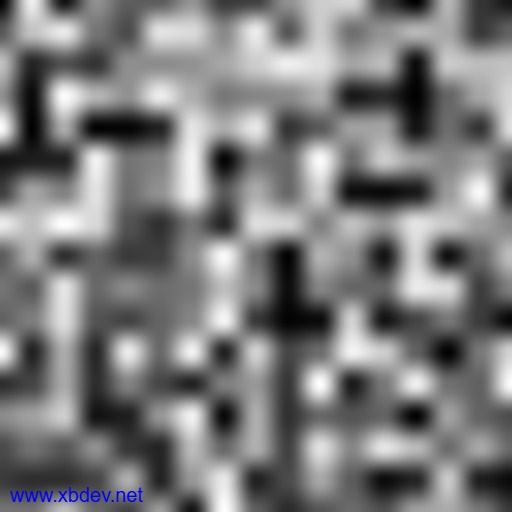
5. Uniform Noise

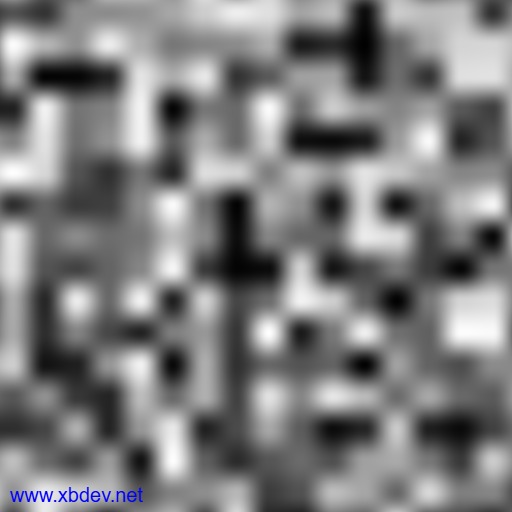
Generates noise with uniform distribution.

<?php
   fn uniformNoise(uv: vec2<f32>) -> f32 {
       return step(0.5, random(uv));
   }


6. Blue Noise

Low-frequency noise optimized for dithering.

<?php
   fn blueNoise(uv: vec2<f32>) -> f32 {
       return smoothstep(0.2, 0.8, random(uv));
   }


7. Pink Noise

Lower frequency noise useful in audio synthesis.

<?php
   fn pinkNoise(uv: vec2<f32>) -> f32 {
       return pow(random(uv), 1.0 / 3.0);
   }


8. Gaussian Noise

Generates noise with a Gaussian distribution.

<?php
   fn gaussianNoise(uv: vec2<f32>) -> f32 {
       let rand1 = random(uv);
       let rand2 = random(uv + vec2<f32>(1.0, 1.0));
       return sqrt(-2.0 * log(rand1)) * cos(6.283185 * rand2);
   }


Complex/Layered Noise


9. Fractal Noise

Combines multiple layers of noise at different scales.

<?php
   fn fractalNoise(uv: vec2<f32>, octaves: i32) -> f32 {
       var value = 0.0;
       var frequency = 1.0;
       var amplitude = 1.0;
       for (var i: i32 = 0; i < octaves; i = i + 1) {
           value += fbm(uv * frequency) * amplitude;
           frequency *= 2.0;
           amplitude *= 0.5;
       }
       return value;
   }


10. Octave Noise

A simpler layering of multiple frequencies of noise.

<?php
    fn octaveNoise(uv: vec2<f32>, octaves: i32) -> f32 {
        var result = 0.0;
        for (var i: i32 = 0; i < octaves; i = i + 1) {
            result += fbm(uv * pow(2.0, f32(i))) / pow(2.0, f32(i));
        }
        return result;
    }


11. Fractional Brownian Motion (FBM)

A widely-used method for natural-looking noise patterns.

<?php
    fn fbm(uv: vec2<f32>) -> f32 {
        var value = 0.0;
        var frequency = 1.0;
        var amplitude = 0.5;
        for (var i: i32 = 0; i < 5; i = i + 1) {
            value += gradientNoise(uv * frequency) * amplitude;
            frequency *= 2.0;
            amplitude *= 0.5;
        }
        return value;
    }


12. Turbulence Noise

A variant of FBM using absolute values for sharper textures.

<?php
    fn turbulence(uv: vec2<f32>) -> f32 {
        var value = 0.0;
        var frequency = 1.0;
        for (var i: i32 = 0; i < 5; i = i + 1) {
            value += abs(gradientNoise(uv * frequency));
            frequency *= 2.0;
        }
        return value;
    }


13. Layered Noise

Stacks noise layers for texture complexity.

<?php
    fn layeredNoise(uv: vec2<f32>, layers: i32) -> f32 {
        var result = 0.0;
        for (var i: i32 = 0; i < layers; i = i + 1) {
            result += gradientNoise(uv * pow(2.0, f32(i))) / pow(2.0, f32(i));
        }
        return result;
    }


14. Perlin Noise

A classic noise function used in procedural generation.

<?php
    fn perlinNoise(uv: vec2<f32>) -> f32 {
        let cell = floor(uv);
        let grad = fract(sin(vec2<f32>(dot(cell, vec2<f32>(127.1, 311.7)), dot(cell + vec2<f32>(1.0, 0.0), vec2<f32>(269.5, 183.3)))) * 43758.5453);
        return dot(grad, fract(uv));
    }


15. Fractal Cellular Noise

Combines cellular noise with fractal layers.

<?php
    fn fractalCellularNoise(uv: vec2<f32>, layers: i32) -> f32 {
        var result = 0.0;
        for (var i: i32 = 0; i < layers; i = i + 1) {
            result += voronoiNoise(uv * pow(2.0, f32(i))) / pow(2.0, f32(i));
        }
        return result;
    }


16. Noise Blending

Interpolates between multiple noise types.

<?php
    fn noiseBlending(uv: vec2<f32>, weight: f32) -> f32 {
        return mix(gradientNoise(uv), voronoiNoise(uv), weight);
    }


17. Domain Warping

Applies noise to distort its own domain.

<?php
    fn domainWarping(uv: vec2<f32>) -> f32 {
        let warp = fbm(uv);
        return fbm(uv + warp);
    }


Directional Noise


18. Flow Noise

Produces smoothly flowing patterns, ideal for fluid effects.

<?php
    fn flowNoise(uv: vec2<f32>, time: f32) -> f32 {
        let warpedUV = uv + vec2<f32>(sin(time), cos(time));
        return fbm(warpedUV);
    }


19. Anisotropic Noise

Stretches noise along a specific axis for directional effects.

<?php
    fn anisotropicNoise(uv: vec2<f32>, direction: vec2<f32>) -> f32 {
        let stretchUV = uv * direction;
        return gradientNoise(stretchUV);
    }


20. Gradient Squared Noise

Amplifies directional gradients for sharp features.

<?php
    fn gradientSquaredNoise(uv: vec2<f32>) -> f32 {
        let grad = gradientNoise(uv);
        return grad * grad;
    }


21. Angular Gradient Noise

Creates angular patterns for circular or star-like effects.

<?php
    fn angularGradientNoise(uv: vec2<f32>) -> f32 {
        let angle = atan2(uv.y, uv.x) * 0.5 / 3.14159;
        return abs(fract(angle) - 0.5);
    }


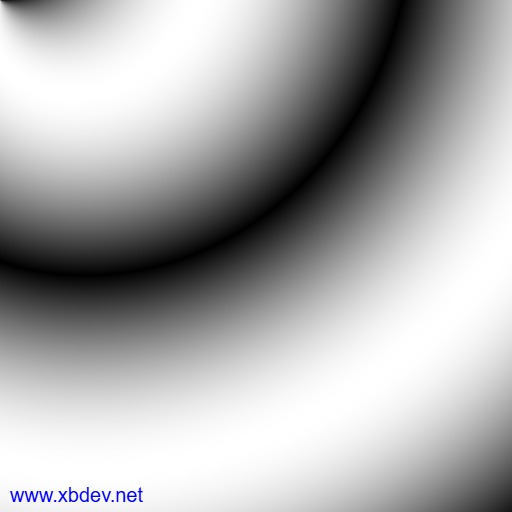
22. Spiral Noise

Generates spiraling patterns.

<?php
    fn spiralNoise(uv: vec2<f32>, twists: f32) -> f32 {
        let angle = atan2(uv.y, uv.x);
        return abs(sin(angle * twists + length(uv)));
    }


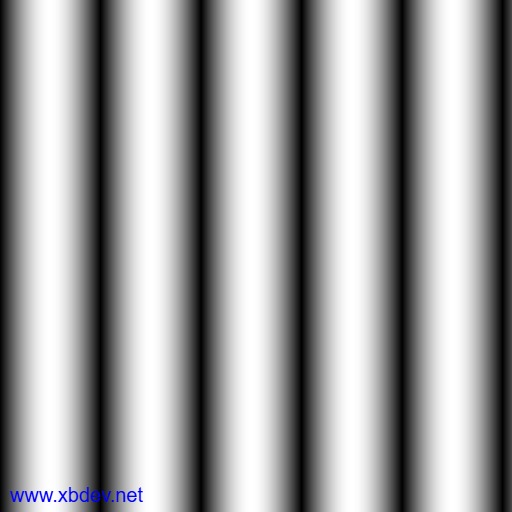
23. Stripe Noise

Produces parallel line patterns.

<?php
    fn stripeNoise(uv: vec2<f32>, frequency: f32) -> f32 {
        return abs(sin(uv.x * frequency));
    }


24. Stripe Gradient Noise

Adds a gradient effect to stripe noise.

<?php
    fn stripeGradientNoise(uv: vec2<f32>, frequency: f32, minValue: f32, maxValue: f32) -> f32 {
        return mix(minValue, maxValue, abs(sin(uv.x * frequency)));
    }


25. Directional Voronoi

Orients Voronoi noise in a specific direction.

<?php
    fn directionalVoronoi(uv: vec2<f32>, direction: vec2<f32>) -> f32 {
        let dirUV = uv + direction;
        return voronoiNoise(dirUV);
    }


Cellular Noise


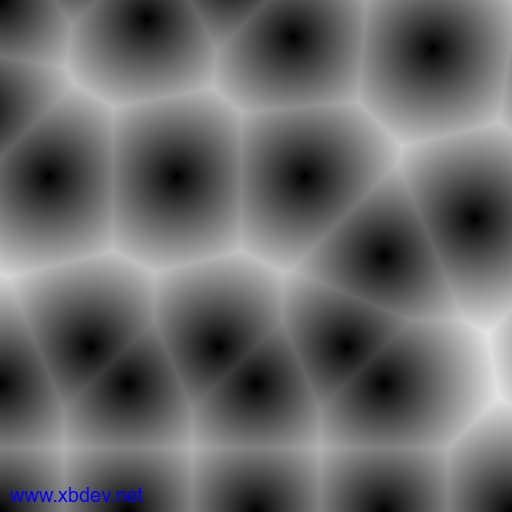
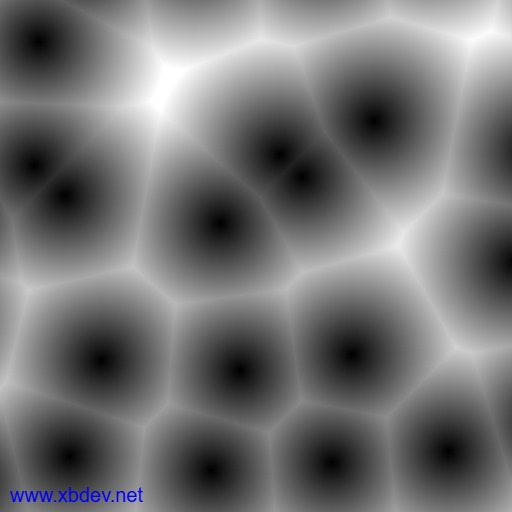
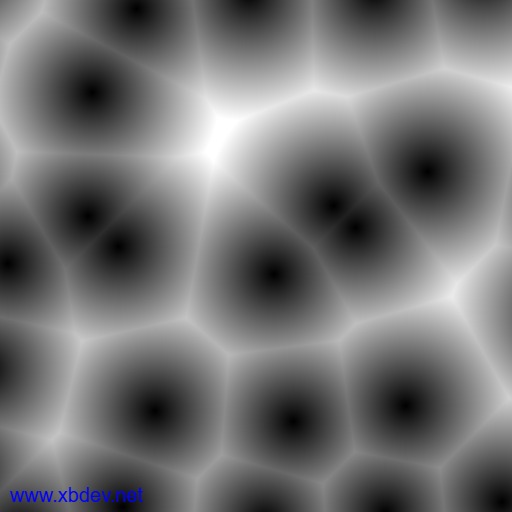
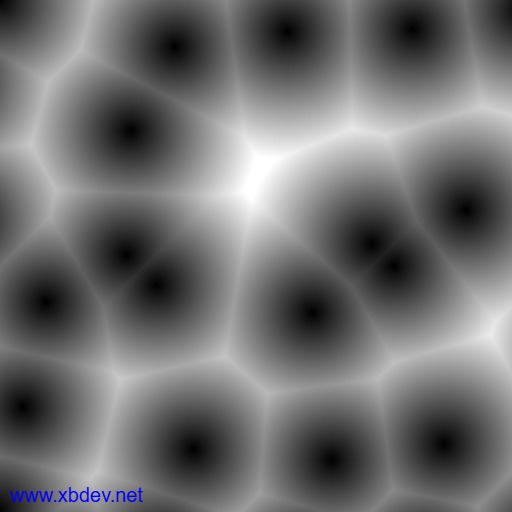
26. Voronoi Noise

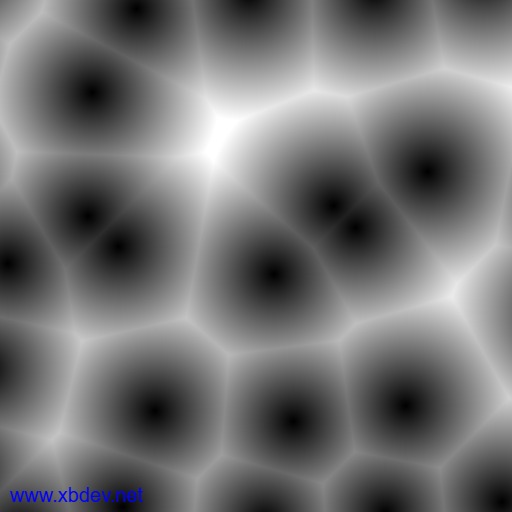
Generates cell-like patterns with varying sizes.

<?php
    fn voronoiNoise(uv: vec2<f32>) -> f32 {
        let cell = floor(uv);
        let frac = fract(uv);
        
        var minDist = 1.0;
    
        for (var y: i32 = -1; y <= 1; y = y + 1) {
            for (var x: i32 = -1; x <= 1; x = x + 1) {
                let neighbor = cell + vec2<f32>(f32(x), f32(y));
                let point = neighbor + random(neighbor);
                let dist = length(frac - (point - cell));
                minDist = min(minDist, dist);
            }
        }
    
        return minDist;
    }


27. Worley Noise

Computes distances to nearest neighbors for texture variety.

<?php
    fn worleyNoise(uv: vec2<f32>) -> f32 {
        var minDist: f32 = 1e9;
        var featurePoint: vec2<f32>;
        
        // Generate feature points and calculate distance
        for (var i: i32 = -1; i <= 1; i = i + 1) {
            for (var j: i32 = -1; j <= 1; j = j + 1) {
                featurePoint = floor(uv) + vec2<f32>(f32(i), f32(j)) + fract(sin(vec2<f32>(dot(floor(uv) + vec2<f32>(f32(i), f32(j)), vec2<f32>(12.9898, 78.233))) * 43758.5453));
                var dist: f32 = length(uv - featurePoint);
                if (dist < minDist) {
                    minDist = dist;
                }
            }
        }
        return minDist;
    }


28. Cellular Noise

Combines cellular techniques for organic looks.

<?php
    fn cellularNoise(uv: vec2<f32>) -> f32 {
        return worleyNoise(uv) - voronoiNoise(uv); // or another combination of functions
    }


29. Fractal Voronoi

Layers Voronoi noise for fractal patterns.

<?php
    fn fractalVoronoi(uv: vec2<f32>, octaves: i32) -> f32 {
        var result = 0.0;
        for (var i: i32 = 0; i < octaves; i = i + 1) {
            result += voronoiNoise(uv * pow(2.0, f32(i))) / pow(2.0, f32(i));
        }
        return result;
    }


30. Spiral Voronoi

Twists Voronoi cells into spirals.

<?php
    fn spiralVoronoi(uv: vec2<f32>, twists: f32) -> f32 {
        return voronoiNoise(uv + vec2<f32>(sin(twists), cos(twists)));
    }


31. Noisy Voronoi

Adds randomness to Voronoi cells.

<?php
    fn noisyVoronoi(uv: vec2<f32>) -> f32 {
        return voronoiNoise(uv) * random(uv);
    }


Patterned Noise


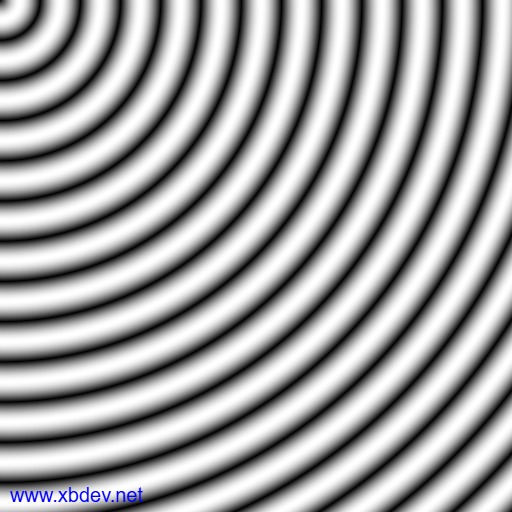
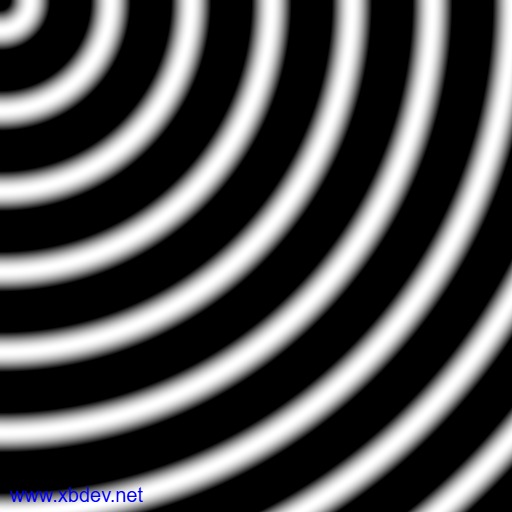
32. Ring Noise

Produces concentric rings.

<?php
    fn ringNoise(uv: vec2<f32>) -> f32 {
        return abs(sin(length(uv) * 10.0));
    }


33. Radial Noise

Creates circular, radial patterns.

<?php
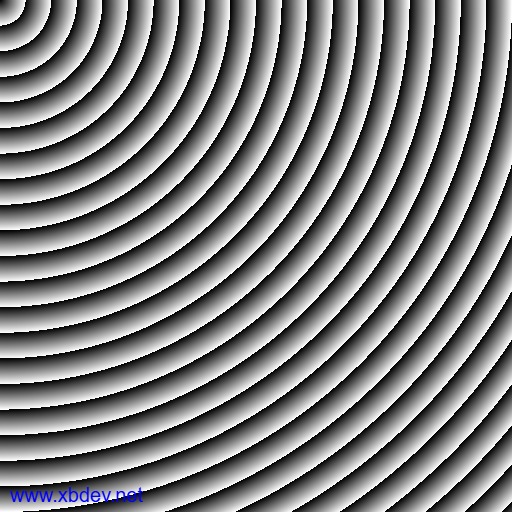
    fn radialNoise(uv: vec2<f32>) -> f32 {
        return fract(length(uv) * 5.0);
    }


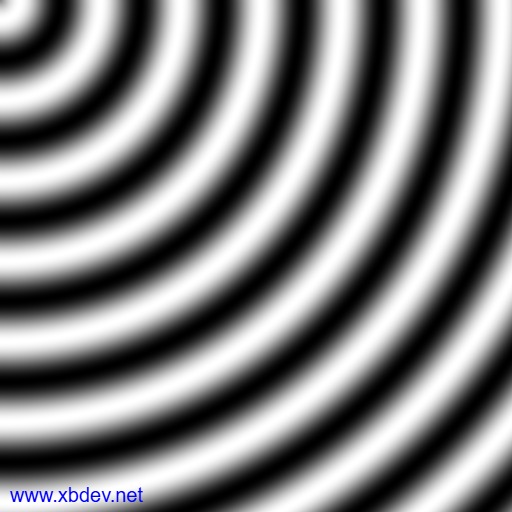
34. Ripple Noise

Mimics ripples in water.

<?php
    fn rippleNoise(uv: vec2<f32>) -> f32 {
        return sin(length(uv) * 10.0) * 0.5 + 0.5;
    }


35. Polygonal Grid Noise

Creates a grid of polygons like hexagons.

<?php
    fn polygonalGridNoise(uv: vec2<f32>, sides: f32) -> f32 {
        let angle = atan2(uv.y, uv.x) + 3.14159;
        let segment = floor(angle / (6.28318 / sides));
        return fract(segment + random(uv));
    }


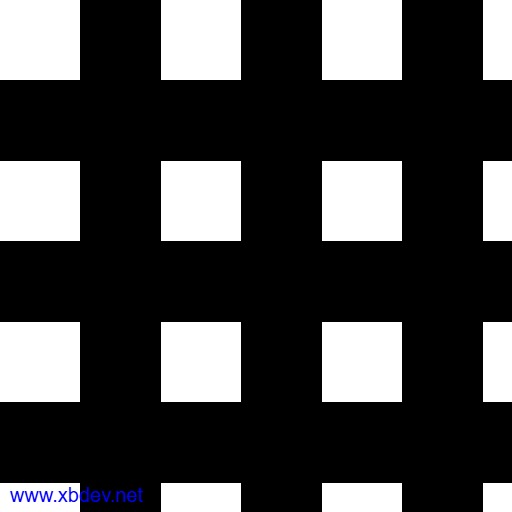
36. Crosshatch Noise

Produces crosshatching patterns.

<?php
    fn crosshatchNoise(uv: vec2<f32>, frequency: f32) -> f32 {
        let lineX = step(0.5, sin(uv.x * frequency) * 0.5 + 0.5);
        let lineY = step(0.5, sin(uv.y * frequency) * 0.5 + 0.5);
        return lineX * lineY;
    }


37. Starburst Noise

Radiates lines from a central point.

<?php
    fn starburstNoise(uv: vec2<f32>) -> f32 {
        return abs(sin(atan2(uv.y, uv.x) * 10.0));
    }


38. Circular Wave Noise

Produces expanding concentric waves.

<?php
    fn circularWaveNoise(uv: vec2<f32>, time: f32) -> f32 {
        return sin(length(uv) * 10.0 - time);
    }


39. Spiral Gradient Noise

Generates a gradient that spirals outward.

<?php
    fn spiralGradientNoise(uv: vec2<f32>, frequency: f32, amplitude: f32) -> f32 {
        let angle = atan2(uv.y, uv.x);
        let dist = length(uv);
    
        // Create a spiral pattern with frequency and amplitude controls
        let spiral = sin(angle * frequency + dist * amplitude);
        
        // Blend the spiral pattern with noise
        let noise = random(uv);
        
        // Fade the effect based on distance
        let fade = smoothstep(0.0, 1.0, dist);
    
        // Combine the spiral and noise with the fade
        return mix(noise, spiral, fade);
    }


40. Plasma Noise

Produces a plasma-like, colorful pattern resource.

<?php
    fn plasmaNoise(uvin: vec2<f32>) -> f32 {
        var scale:f32 = 0.1;
        var time: f32 = 0.5;
        var uv = uvin*scale;
        let layer1 = sin(uv.x * 10.0 + time) * cos(uv.y * 10.0 + time);
        let layer2 = sin(uv.x * 20.0 + uv.y * 20.0 + time * 2.0) * 0.5;
        let layer3 = cos(uv.x * 40.0 - uv.y * 40.0 + time * 4.0) * 0.25;
        
        let noise = layer1 + layer2 + layer3;
        
        return noise * 0.5 + 0.5; // Normalize to range [0, 1]
    }


41. Interference Noise

Simulates wave interference.

<?php
    fn interferenceNoise(uv: vec2<f32>) -> f32 {
        return sin(uv.x * 5.0) + cos(uv.y * 5.0);
    }


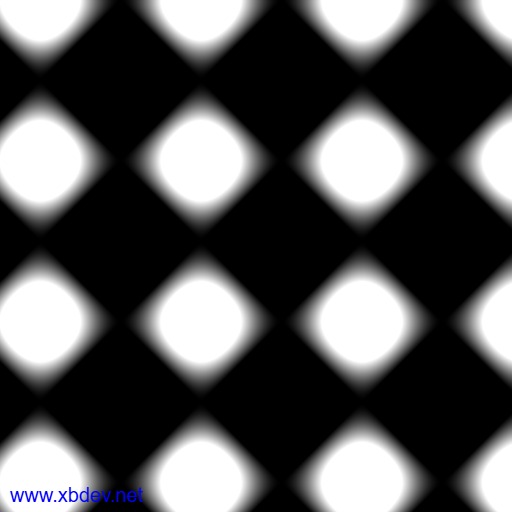
42. Checkerboard Noise

Produces a checkerboard pattern.

<?php
    fn checkerboardNoise(uv: vec2<f32>) -> f32 {
        let check = floor(uv.x) + floor(uv.y);
        return fract(sin(check) * 43758.5453);
    }


43. Hexagonal Noise

Creates a hexagonal tiling pattern.

<?php
    fn hexagonalNoise(uv: vec2<f32>) -> f32 {
        // Constants to define hexagonal grid
        let k = vec2<f32>( sqrt(3.0), 1.0);
        
        // Transform UV coordinates to hexagonal grid space
        let uv_hex = vec2<f32>(
            uv.x * k.x + uv.y * k.y,
            uv.y * k.x - uv.x * k.y
        );
    
        // Calculate hexagonal cell coordinates
        let cell = floor(uv_hex);
        let f = fract(uv_hex);
        
        // Calculate noise values for the corners of the hexagon
        let corners = array<vec2<f32>, 6>(
            vec2<f32>(0.0, 0.0),
            vec2<f32>(1.0, 0.0),
            vec2<f32>(0.5, 0.866),
            vec2<f32>(-0.5, 0.866),
            vec2<f32>(-1.0, 0.0),
            vec2<f32>(-0.5, -0.866)
        );
    
        var noise_value: f32 = 0.0;
        var min_distance: f32 = 1e10;
    
        for (var i: u32 = 0u; i < 6u; i = i + 1u) {
            let corner = cell + corners[i];
            let dist = distance(uv_hex, corner);
            
            if (dist < min_distance) {
                min_distance = dist;
                noise_value = fract(sin(dot(corner, vec2<f32>(12.9898, 78.233))) * 43758.5453);
            }
        }
    
        return noise_value;
    }


Animated/Temporal Noise


44. Offset Noise

Introduces an offset effect, often used for animation.

<?php
    fn offsetNoise(uv: vec2<f32>, time: f32) -> f32 {
        return random(uv + time);
    }


45. Warped Noise

Distorts the noise field over time to create dynamic effects.

<?php
    fn warpedNoise(uv: vec2<f32>, time: f32) -> f32 {
        let warpedUV = uv + sin(time + uv) * 0.5;
        return random(warpedUV);
    }


46. Seamless Noise

Creates a continuous, looping noise pattern, typically used in textures.

<?php
    fn seamlessNoise(uv: vec2<f32>) -> f32 {
        let repeatUV = fract(uv);
        return random(repeatUV);
    }


47. Texture Distortion Noise

Distorts texture coordinates for dynamic texture animation.

<?php
    fn textureDistortionNoise(uv: vec2<f32>, time: f32) -> f32 {
        let distortedUV = uv + sin(uv + time) * 0.1;
        return random(distortedUV);
    }


48. Dynamic Noise

Changes its characteristics over time for evolving patterns.

<?php
    fn dynamicNoise(uv: vec2<f32>, time: f32) -> f32 {
        let dynamicUV = uv + time * 0.1;
        return random(dynamicUV);
    }


49. Time-Varying Voronoi

Modifies the Voronoi cells over time for moving patterns.

<?php
    fn timeVaryingVoronoi(uv: vec2<f32>, time: f32) -> f32 {
        let timeShiftedUV = uv + time * 0.1;
        return voronoiNoise(timeShiftedUV);
    }


50. Animated Gradient Noise

Creates animated gradients by adjusting the direction over time.

<?php
    fn animatedGradientNoise(uv: vec2<f32>, time: f32) -> f32 {
        let angle = time + atan2(uv.y, uv.x);
        let gradient = vec2<f32>(cos(angle), sin(angle));
        return dot(uv, gradient);
    }


Specialized Noise


51. Tileable Noise

Generates repeating noise patterns, typically used for textures.

<?php
    fn tileableNoise(uv: vec2<f32>) -> f32 {
        return random(fract(uv));
    }


52. Gradient Ridge Noise

Adds ridges to gradient noise for more pronounced features.

<?php
    fn gradientRidgeNoise(uv: vec2<f32>) -> f32 {
        let gradient = gradientNoise(uv);
        return abs(gradient) * 2.0 - 1.0;
    }


53. Multiscale Noise

Combines multiple noise functions at different scales.

<?php
    fn multiscaleNoise(uv: vec2<f32>, scales: i32) -> f32 {
        var result = 0.0;
        for (var i: i32 = 0; i < scales; i = i + 1) {
            result += random(uv * pow(2.0, f32(i))) / pow(2.0, f32(i));
        }
        return result;
    }


54. Spectral Noise

Noise with controlled frequency components, often for sound design.

<?php
    fn spectralNoise(uv: vec2<f32>, frequency: f32) -> f32 {
        return random(uv * frequency);
    }


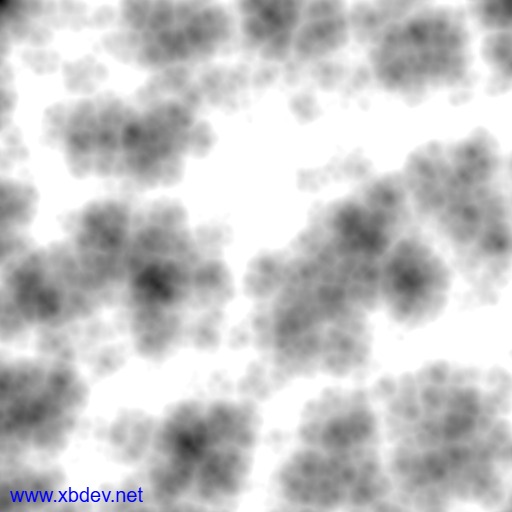
55. Blob Noise

Creates irregular blob-like structures.

<?php
    fn blobNoise(uv: vec2<f32>, size: f32) -> f32 {
        var minDist: f32 = 0.0; // Initialize with a large value
        
        for (var y: i32 = -1; y <= 1; y = y + 1) {
            for (var x: i32 = -1; x <= 1; x = x + 1) {
                let neighbor = vec2<f32>(f32(x), f32(y));
                let point = floor(uv) + neighbor + random(floor(uv) + neighbor);
                let dist = length(uv - point) * 2.0;
                if ( dist < 1.5 && minDist==0.0)
                {
                    minDist = 8.0;
                }
                minDist = min(minDist, dist) ;
            }
        }
    
        return exp(-minDist / size);
    }


56. Point Cluster Noise

Generates clustered points for dense structures.

<?php
    fn pointClusterNoise(uv: vec2<f32>) -> f32 {
        return step(0.5, random(uv));
    }


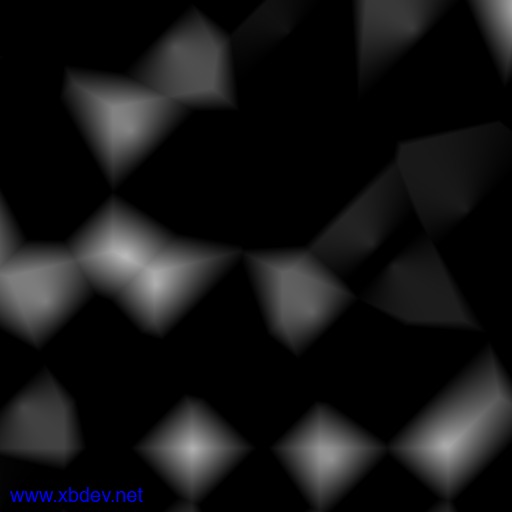
57. Crystal Noise

Creates crystal-like sharp, angular noise patterns.

<?php
    fn crystalNoise(uv: vec2<f32>) -> f32 {
        var minDist: f32 = 1.0; // Initialize with a large value
        var facet: vec2<f32> = vec2<f32>(0.0, 0.0);
    
        for (var y: i32 = -1; y <= 1; y = y + 1) {
            for (var x: i32 = -1; x <= 1; x = x + 1) {
                let neighbor = vec2<f32>(f32(x), f32(y));
                let point = floor(uv) + neighbor + random(floor(uv) + neighbor);
                let dist = length(uv - point);
                
                if (dist < minDist) {
                    minDist = dist;
                    facet = point;
                }
            }
        }
    
        let angle = atan2(uv.y - facet.y, uv.x - facet.x);
        return abs(sin(angle * 10.0));
    }


58. Wavelet Noise

Uses wavelets to generate smooth, multi-scale noise.

<?php
    fn waveletNoise(uv: vec2<f32>, scale: f32) -> f32 {
        let noise = sin(uv.x * scale + random(uv) * scale) * cos(uv.y * scale + random(uv.yx) * scale);
        return abs(noise);
    }


59. Ridged FBM Noise

A variant of FBM that enhances high-frequency features.

<?php
    fn ridgedFBM(uv: vec2<f32>, octaves: i32) -> f32 {
        var result = 0.0;
        var amplitude = 1.0;
        for (var i: i32 = 0; i < octaves; i = i + 1) {
            result += amplitude * (1.0 - abs(fbm(uv * pow(2.0, f32(i))))) / pow(2.0, f32(i));
            amplitude *= 0.5;
        }
        return result;
    }


60. Sparse Convolution Noise

Noise with sparse, scattered values used for specialized effects.

<?php
    fn sparseConvolutionNoise(uv: vec2<f32>) -> f32 {
        var scale: f32 = 2.0;
        var total: f32 = 0.0;
        var weight: f32 = 0.0;
    
        for (var y: i32 = -1; y <= 1; y = y + 1) {
            for (var x: i32 = -1; x <= 1; x = x + 1) {
                let neighbor = vec2<f32>(f32(x), f32(y));
                let offset = random(neighbor) * scale;
                let point = uv + neighbor + offset;
    
                let value = random(point);
                let dist = length(neighbor);
                let influence = 1.0 / (1.0 + dist);
                
                total += value * influence;
                weight += influence;
            }
        }
    
        return total / weight;
    }


Resources & Links


• WebGPU Code Samples/Interactive (LINK)

• Lots of noise functions on a single image (LINK)

• Earlier article when research the and collecting different noise functions (just functions) (LINK)

• Diary/run through of noise (LINK)


101 WebGPU Programming Projects. WebGPU Development Pixels - coding fragment shaders from post processing to ray tracing! WebGPU by Example: Fractals, Image Effects, Ray-Tracing, Procedural Geometry, 2D/3D, Particles, Simulations WebGPU Games WGSL 2d 3d interactive web-based fun learning WebGPU Compute WebGPU API - Owners WebGPU Development Cookbook - coding recipes for all your webgpu needs! WebGPU & WGSL Essentials: A Hands-On Approach to Interactive Graphics, Games, 2D Interfaces, 3D Meshes, Animation, Security and Production Kenwright graphics and animations using the webgpu api 12 week course kenwright learn webgpu api kenwright programming compute and graphics applications with html5 and webgpu api kenwright real-time 3d graphics with webgpu kenwright webgpu for dummies kenwright webgpu wgsl compute graphics all in one kenwright webgpu api develompent a quick start guide kenwright webgpu by example 2022 kenwright webgpu gems kenwright webgpu interactive compute and graphics visualization cookbook kenwright wgsl webgpu shading language cookbook kenwright WebGPU Shader Language Development: Vertex, Fragment, Compute Shaders for Programmers Kenwright WGSL Fundamentals book kenwright WebGPU Data Visualization Cookbook kenwright Special Effects Programming with WebGPU kenwright WebGPU Programming Guide: Interactive Graphics and Compute Programming with WebGPU & WGSL kenwright Ray-Tracing with WebGPU kenwright


Advert (Support Website)

 
 Visitor:
Copyright (c) 2002-2026 xbdev.net - All rights reserved.
Designated articles, tutorials and software are the property of their respective owners.